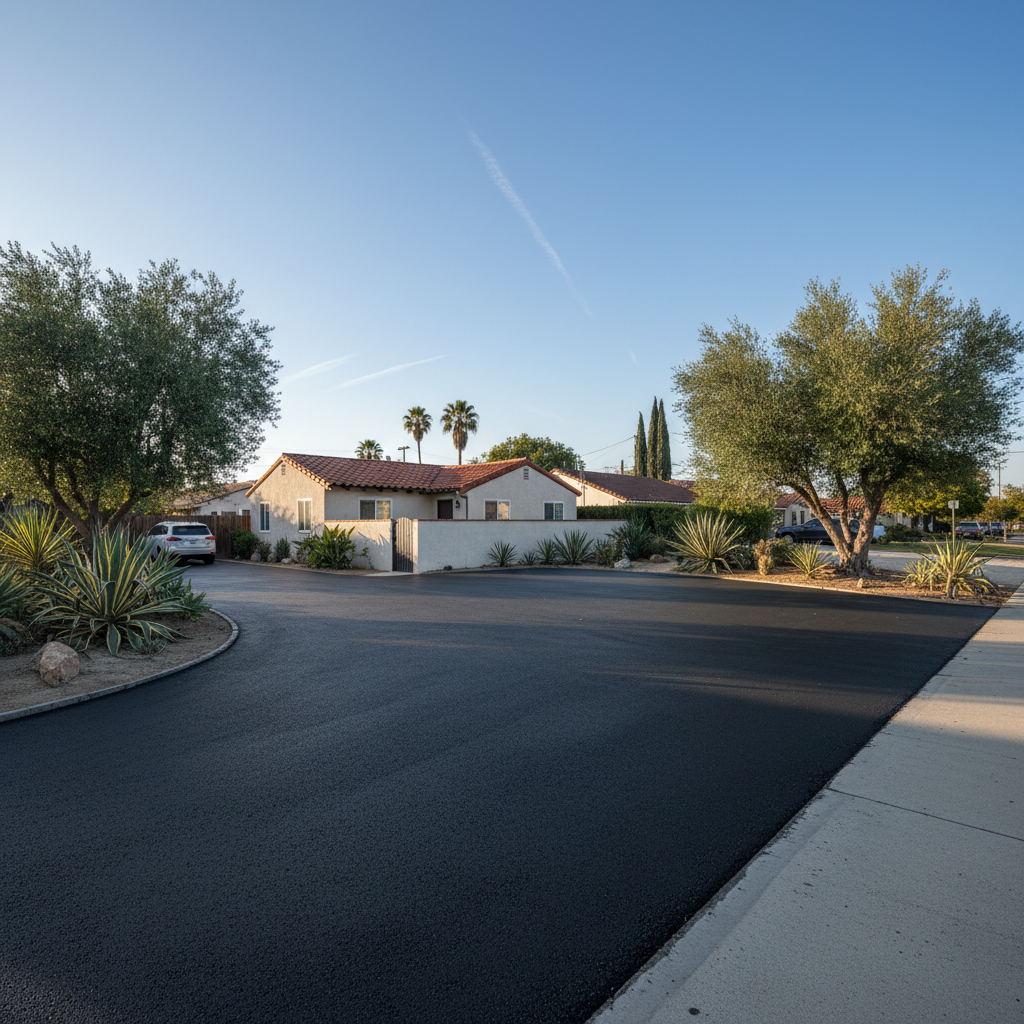
Alright, let’s talk about parking lots for a minute. If you own a business here in LA, you know your parking lot is usually the very first thing customers see. A beat-up, pothole-ridden lot? That doesn't exactly scream 'professional,' does it? But getting a new one, or even just fixing up an old one, can feel like a total mystery when it comes to cost. I get it, really. As a contractor who’s been doing this for years, I've heard all the questions, and I've got some real numbers for you.
What Makes Parking Lot Paving Costs Go Up or Down?
You want to know what you're looking at, financially. The truth is, a few big factors really push the price one way or the other. It’s not just a flat rate per square foot, especially here in Los Angeles where every job seems to have its own little quirks.
- Size and Scope: This one’s pretty obvious, right? A small retail lot in Silver Lake will cost a lot less than a massive industrial park lot down in Carson. But it's not just about square footage; it's also about the shape and any complex features like drainage systems or islands.
- Existing Condition: Are we building a brand-new lot from scratch? Or are we tearing out an old, cracked asphalt surface? If we're doing a full tear-out and replace, that means more labor and disposal costs. Sometimes, if the base is still good, you can get away with just an overlay, which is way cheaper.
- Material Type & Thickness: Asphalt is the usual choice for parking lots because it's durable and cost-effective. But how thick does it actually need to be? A lot for light-duty traffic (think a small office building) might only need 2-3 inches of asphalt over a good base. A heavy-duty lot for trucks and constant turning traffic (like a distribution center) needs 4-6 inches, sometimes more, plus a much stronger aggregate base. Thicker asphalt means more material, more trucking, more cost.
- Site Preparation & Drainage: This is huge. If the ground isn't properly graded and compacted, you're going to have problems with water pooling and premature cracking. That's especially true with our occasional heavy rains, which can really test a lot's drainage. We might need to bring in extra fill, do extensive grading, or install new catch basins and piping. That adds to the bill, sure, but it's non-negotiable for a long-lasting lot.
- Permits & Regulations: Los Angeles County has its own set of rules, as you might imagine. Depending on your project's size and location, you'll need permits, and sometimes even engineering plans. These aren't free, and they add time to the process.
Typical Parking Lot Paving Cost Ranges in LA
Okay, let’s get to some actual numbers. Keep in mind these are ranges, and your specific project will fall somewhere within them. These figures are for asphalt paving, which is what most commercial properties go for because it balances cost and durability so well.
- New Construction (Full Depth): For a brand-new lot, starting from dirt, with proper grading, aggregate base, and 3-4 inches of asphalt, you're generally looking at $5.00 to $9.00 per square foot. This includes excavation, base prep, and asphalt application. A 10,000 sq ft lot could be $50,000 to $90,000.
- Asphalt Overlay (Resurfacing): If your existing asphalt is mostly intact but has surface cracks and fading, an overlay can be a great option. This means cleaning the surface, sometimes repairing major cracks, and then applying 1.5-2 inches of new asphalt. This usually runs about $2.50 to $4.50 per square foot. So, that same 10,000 sq ft lot might be $25,000 to $45,000.
- Tear-Out & Replace: When the existing asphalt is just beyond repair, and the base might be compromised, we have to rip it all out and start fresh. This is more expensive because of demolition, hauling away debris, and then all the steps of new construction. Expect $6.00 to $12.00+ per square foot. A 10,000 sq ft lot could easily hit $60,000 to $120,000 or more.
Remember, these are just for the paving itself. Other services like striping, signage, wheel stops, and ADA compliance features are usually added on top.
What Should a Quote Include?
When you get a quote from a reputable company like Peak Asphalt Co., you shouldn't have to guess what's covered. A good quote will be detailed. Here’s what you should expect to see:
- Detailed Scope of Work: Exactly what's being done – excavation, base rock installation (and its depth), asphalt layers (and their thickness), compaction.
- Material Specifications: The type of asphalt mix, the aggregate base material.
- Site Preparation: Grading, drainage work, subgrade compaction.
- Mobilization: The cost for bringing equipment to your site.
- Traffic Control: If needed for safety during the project.
- Cleanup & Disposal: Hauling away old material, site cleanup.
- Additional Services: Line striping, sealcoating, crack filling, speed bumps, wheel stops, ADA ramps, signage. These are often itemized separately.
- Permits: Who is responsible for pulling them and their estimated cost.
- Warranty: What kind of guarantee they offer on their work.
How to Avoid Overpaying
Nobody wants to get ripped off, especially when you're investing in your business property. Here’s my advice:
- Get Multiple Bids: Don't just go with the first guy. Get at least three detailed quotes. This helps you compare apples to apples and really understand the market rate.
- Check References & Reviews: A contractor's reputation speaks volumes. Look at their past work, read online reviews, and ask for local references.
- Don't Always Go for the Lowest Bid: The cheapest option isn't always the best, you know? Sometimes a low bid means they're cutting corners on materials or labor, and that'll cost you more in the long run with premature repairs.
- Ask About Experience: How long have they been doing commercial paving? Do they have experience with projects similar to yours?
- Understand the Warranty: A good contractor stands behind their work. Make sure you understand what's covered and for how long.
- Get Everything in Writing: Every detail, every cost, every timeline. No handshake deals for big projects.
Your parking lot is a critical asset for your business. Investing in it properly means fewer headaches, better curb appeal, and a safer environment for your customers and employees. Do your homework, ask the right questions, and you'll get a great result without breaking the bank.